





This page is a landing page for a collection of published advocacy items from Mr. Waltman’s Citizens in Action course, a senior social studies elective. Students will be added over the next few weeks so feel free to bookmark this page! If you’d like to get in touch with a student about their project, please email Mr. Waltman at [email protected].
What is the course Citizens in Action?
Citizens in Action is a hands-on course that explores the foundations and functions of the U.S. federal government, the Constitution, and current events. Students will examine key civic concepts, engage in discussions about real-world issues, and develop the skills of active, informed citizneship. Each student will choose a contemporary issue and take meaningful action, applying research, communication, and advocacy strategies to make a difference in their community. Many students who complete CIA are eligible for the Seal of Civic Readiness, a distinction of pride on NYS high school diplomas.
Class of 2026 Student Advocacy Projects (Quicklinks)
Arooj A. – The Invisible Impact of Energy Drinks
Ashley H. – Microplastics and Why We Need to Ban Them
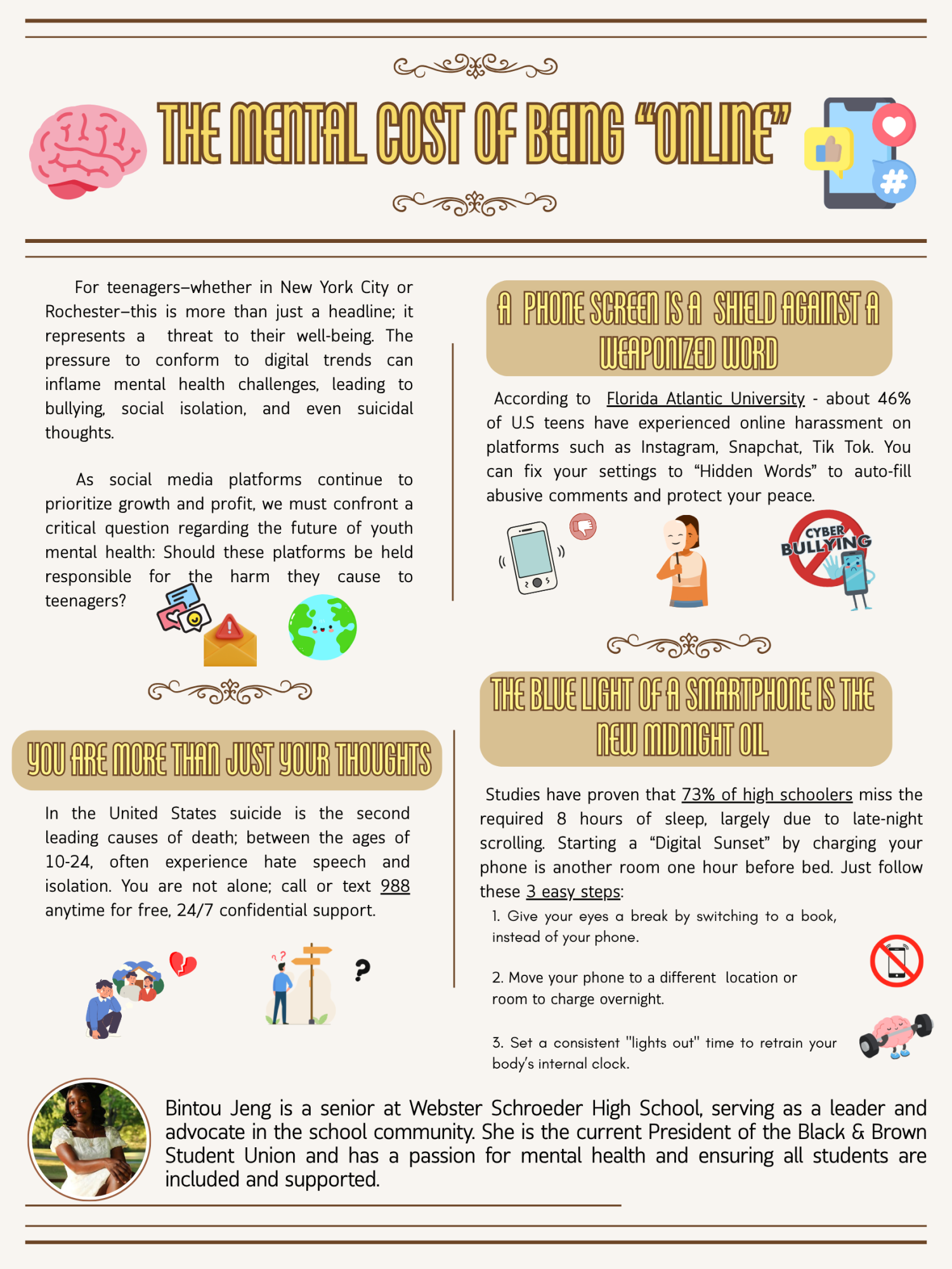
Bintou J. – The Mental Cost of Being Online
Ethan B. – How Microplastics Affect People
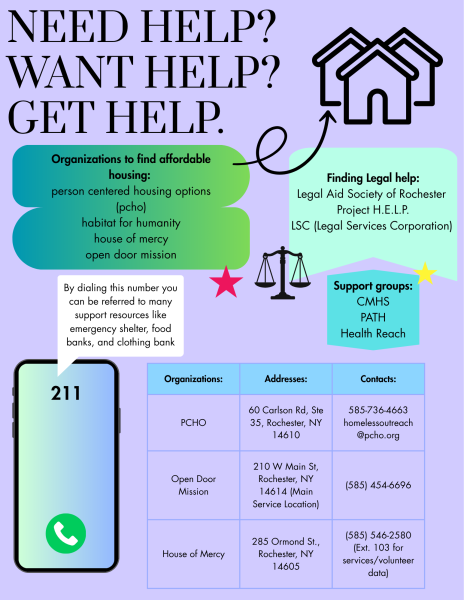
Harleigh S. – Tiny Homes & Housing Crisis (Resource Guide)
K’Loni J. – NY State 2035 Gas Car Ban: A cleaner Future or a Financial Crisis
Katie R. – Wildlife Crossing on Highways in NY
Madie S. – Bridging the Divide (Highways)
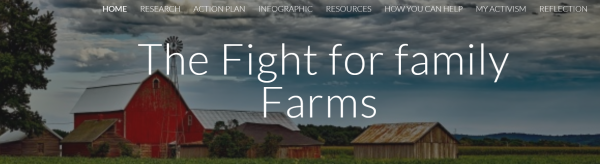
Nevan T. – The Fight for Small Farms
Bintou J. – The Mental Cost of Being Online
Nevan T. – The Fight for Small Farms
My topic explores how recent economic pressures and federal policies have led to the decline of small farms across the United States. The project focuses on how current Farm Bill and USDA subsidy programs favor large agricultural corporations, making it difficult for small and new farms to compete. It also highlights potential policy changes that could create a more fair and sustainable agricultural system.
The Fight for Small Farms (click to view Nevan’s project site to learn more)
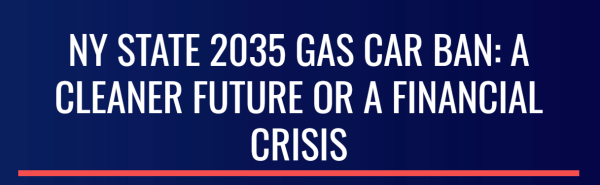
K’Loni J. – NY State 2035 Gas Car Ban: A cleaner Future or a Financial Crisis
New York is charging toward a 2035 mandate that would require all new vehicles sold in the state to be electric, a move intended to drastically cut pollution and improve public health. While the state is investing over $1 billion in infrastructure to start it off, the shift from gas cars to electric remains a point of intense friction for many people. Critics argue that the transition ignores the financial reality for low income families and the current lack of accessible charging stations, especially since electric vehicles currently make up less than 1% of cars on the road in New York. This policy raises a critical debate over fairness and affordability, the outcome will essentially reshape how every New Yorker travels, works, and manages their cost of living.
NY State 2035 Gas Car Ban: A cleaner Future or a Financial Crisis (click to view K’Loni’s project site to learn more)
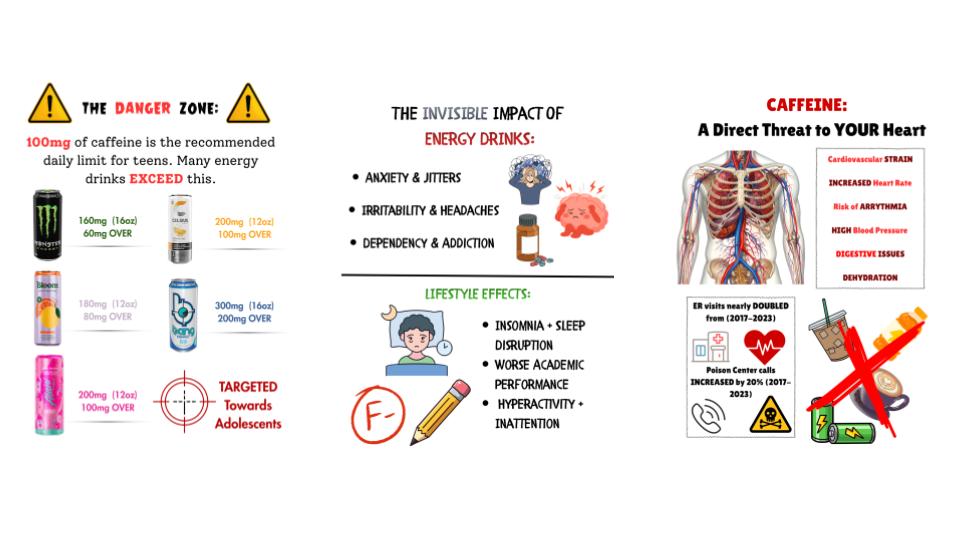
Arooj A. – The Invisible Impact of Energy Drinks
Feeling jittery lately? Have a headache all the time? Trouble sleeping? If so, think again on whether or not that Alani is actually worth it. A 12th grade student for her C.I.A. project urges you to take your excessive caffeine intake more seriously. Respond to the form below to see how much caffeine you’re really intaking and don’t forget to check out these posters around the school for more information…
Ashley H. – Microplastics and Why We Need to Ban Them
From the food we eat to the air we breathe microplastics are popping up in places we would have never thought off. Microplastics are tiny particles that are 5 millimeters in size and are found in oceans, soil, food, water, and air we breathe. Scientists and consumers are increasingly concerned about microplastics in our products. Microplastics can lead to severe health conditions for humans and the environment and that is why we should give awareness to others.
Madie S. – Bridging the Divide
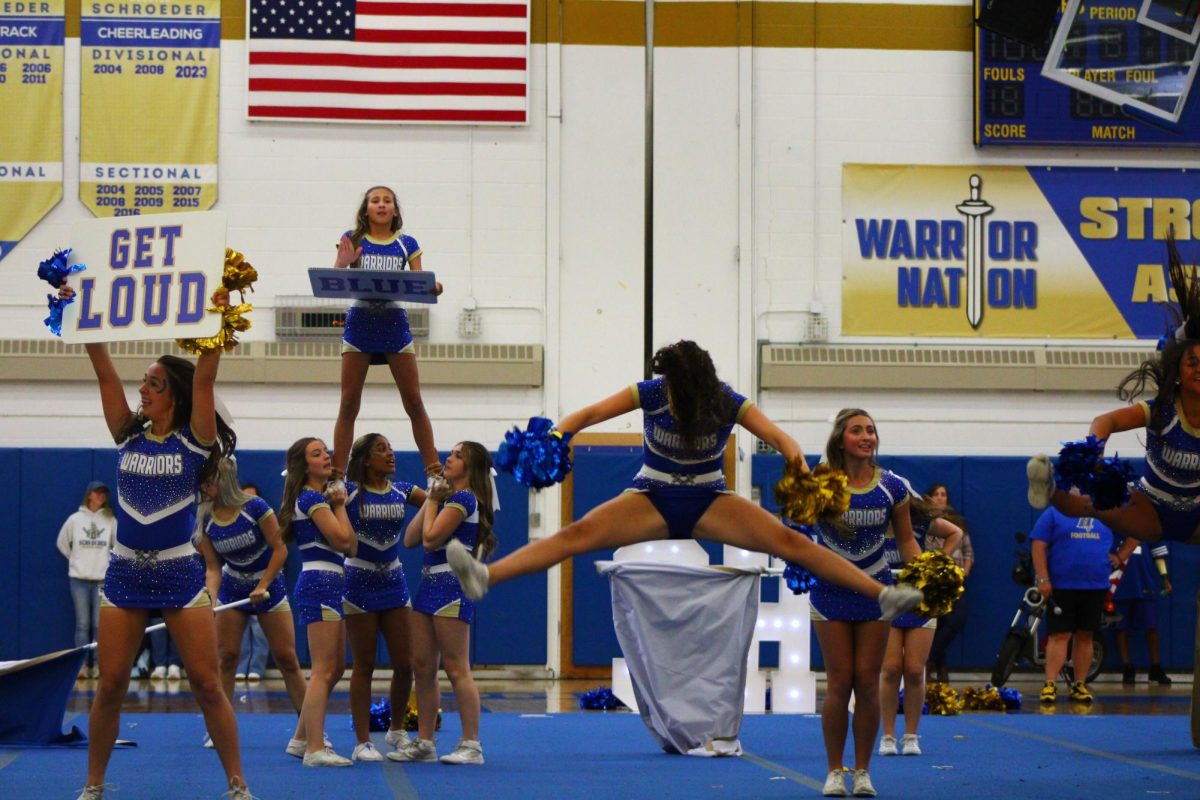
‘Bridging the Divide,’ is about a problem most of us drive over every single day without realizing it: our highways have become walls. For thousands of years, animals in New York have followed the same paths to find food and mates.
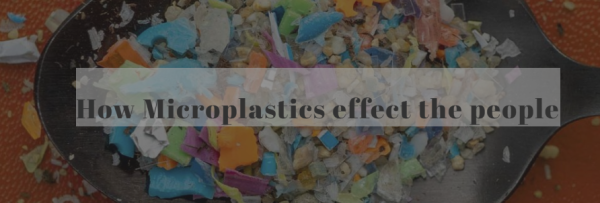
Ethan B. – How Microplastics Affect People
Think tiny particles aren’t a big deal? Microplastics are everywhere from our water to our food. In fact research shows the average person consumes up to 5 grams of plastic every week. That’s the equivalent of a credit card. I have built a dedicated website to share how these pollutants affect our environment, our health and our future.
How Microplastics Affect the People (click to view more on Ethan’s project site)
Katie R. – Wildlife Crossing on Highways in NY
My project is a website about wildlife crossings and overpasses in New York. The current estimate of wildlife caused accidents is one to two billion a year, with damage costing up to 8 billion dollars. Through wildlife crossings we can keep both humans and animals safe, and the money that goes to damage can go to something that would make a bigger impact on our state. If you want to learn more about this topic and peoples opinions on it, you can watch the videos I have linked on my website. If you want to see the process of creating a wildlife crossing in real time you can check out the Wallis Annenberg in Los Angeles California.
Wildlife Crossing on Highways in NY (click to view more on Katie’s project site)
Harleigh S. – Tiny Homes & Housing Crisis
How Tiny Homes Could Potentially Solve the Housing Crisis – Below is a resource guide for anyone experiencing homelessness or even financial trouble.